
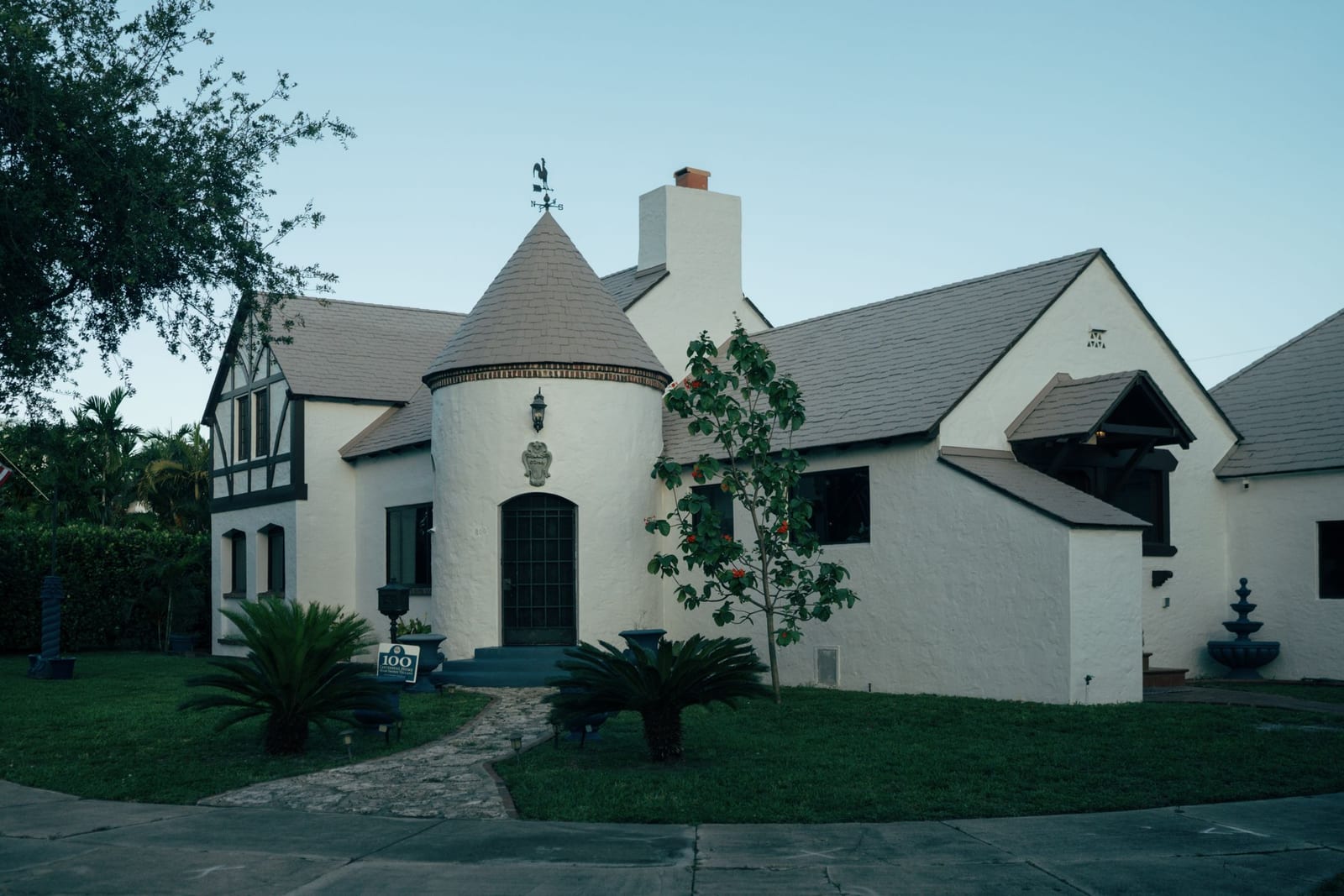
Chimney Work for Thousand Oaks Sellers
We inspect, repair and document chimneys for owners getting ready to list, so the escrow file holds photos and written prices.
The Level 2 inspection leads, with masonry repair and fireplace remodels behind it.
Each visit ends with photos, a written price for every repair and a plain note on what can be disclosed instead of fixed.
Chimney Sweep
Flue brushed and firebox vacuumed before listing photos, so a buyer's inspector looks at clean tile instead of a year of creosote.
Chimney Inspection
A Level 1 look at every reachable part of the chimney, so you know what a buyer's inspector will see before listing.
Chimney Repair
Fixes ranked by what a buyer will flag: crown cracks, open joints, broken tiles, rusted caps, each quoted in writing after a look.
Fireplace Inspection
Firebox, damper, hearth and mantel checked against clearance rules, so the room buyers photograph does not turn into a repair request.
Fireplace Repair
Cracked firebrick, stuck dampers, loose hearth tile and smoke stains fixed before showings, each priced in writing from what we found.
Chimney Level 2 Inspection
Camera run of the full flue plus attic and crawl space, the inspection NFPA 211 calls for when a house changes hands.
- Chimney Cap Installation
- Chimney Flashing Repair
- Chimney Masonry Repair
- Chimney Rebuilds
- Fireplace Cleaning
- Gas Fireplace Cleaning
- Gas Fireplace Repair
- Fireplace Remodel
- Fireplace Inserts
- Pellet Stove Repair
- Wood Stove Repair
- Gas Logs
- Chimney Seismic Retrofit
- Chimney Crown Repair
- Dryer Vent Cleaning
- Chimney Liner Installation
- Chimney Leak Repair
- Chimney Waterproofing
- Chimney Damper Repair
- Chimney Chase Cover
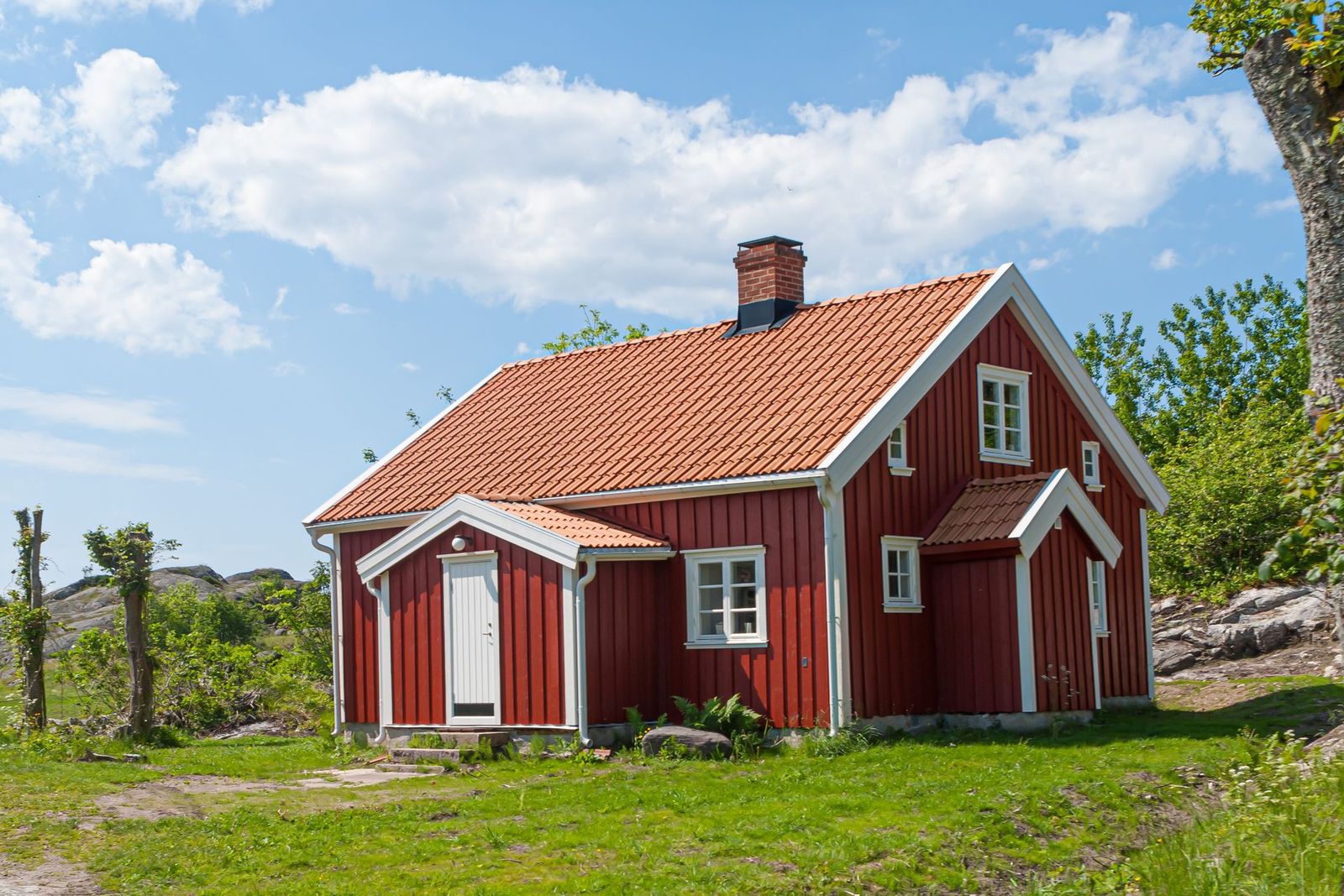
Before the Sign Goes Up
Inspect first, fix second, document everything.
Chimney work for houses about to sell, where a clean report can save a long negotiation.
Fairfax Chimney Contractors works out of Thousand Oaks in the Conejo Valley, where many houses on the market carry a brick or framed chimney that a buyer's inspector will want to see.
Across the Conejo Valley, a lot of the houses going on the market carry a brick fireplace from when the tract was built, or a framed chase over a factory-built firebox. Buyers' inspectors know both well, and so do we.
A visit starts with your plans: when you expect to list and whether a buyer has already flagged something. Then we inspect, photograph each finding and sort it into fix, disclose or leave, with a written price beside every repair.
- Safety findings listed first in every report
- Visits booked around your listing plans
- Flue recorded on camera for a Level 2
- Copies of the report sent to your agent
What a Good Listing File Looks Like
Findings, photos and invoices in one place before the first showing.
Getting there takes one inspection, a short repair list and the paperwork to match, so a buyer has nothing left to guess at.
Paperwork That Holds Up
Every report, quote and invoice is written for someone who has never seen the house: what we found, where it is, what it costs, with photos. It reads the same to a buyer as it does to you.
Safety Items Up Top
A cracked flue tile or a mantel too close to the opening is a fire risk, not a cosmetic note. Those go first in the report, with a plain line on why.
No Padded Reports
Normal wear is called normal wear. Anything you can reasonably disclose instead of fixing is marked that way, and nothing gets added to a quote you did not ask for.
Based in Thousand Oaks
We work out of Thousand Oaks, with Simi Valley, Calabasas and Canoga Park close by. Tract chimneys, hillside stacks and the quake history buyers ask about are routine for us.
Selling, renting or claiming: pick your situation
Four pages for the moments a chimney turns into paperwork: a condo or house going on the market, repairs ordered in escrow, rental units with tenants in them, and damage an insurer is looking at. Each one says what we inspect, what you receive, and which prices are fixed.
Selling a condo or house
Townhouse, condo or detached house: a Level 2 before listing, with the report split by who owns each part of the chimney.
Agents with escrow repairs
A buyer asked for chimney repairs. A line-by-line scope both sides can read, then completion photos for the file.
Property managers and tenant safety
Every fireplace in a building checked and recorded for tenant safety and carbon monoxide, priced per fireplace.
Insurance claims and chimney repairs
Storm, quake or fire damage to a chimney: what an adjuster looks for, and a report that separates the damage from the wear.
Call, inspect, sort, repair, document
It runs in this order whether the house has a brick fireplace, a framed chase or a stove in the den.
Tell Us the Sale Plan
Call or send the form and tell us when you expect to list and whether a buyer's report already exists. That tells us whether to start with a Level 1, a Level 2 or one specific repair. We take the address when we ring back.
Inspection and Photos
We inspect the fireplace and chimney at the level the sale calls for and photograph every finding, from the firebox floor to the crown.
Fix, Disclose or Leave
You get a written report that sorts the findings into three groups, with a written price beside each repair. You and your agent choose what happens next.
Repairs With Records
Approved work is done and photographed before and after. The invoice names each item fixed, worded so it can go straight into an escrow file.
Papers to the Right People
The report, quotes and invoices go to you and to any agent, buyer or HOA you name, so nobody has to chase a copy.
Calls taken 7 AM to 7 PM, every day of the week.
Inspections, repairs, disclosures and escrow paperwork
Straight answers for owners getting a house ready to sell. A question about your own listing? Call (805) 250-1272.
Simi Valley, Calabasas and Canoga Park first, then the wider county
A page for every town, each with local housing and the weather a chimney sees there. Start typing a name.
Three chimneys we see on listings
Tract brick stacks, hillside stone and framed chases
The kind of chimney on the house decides what a buyer's inspector looks at first, and what the repair costs.
Tract-era brick
Single-story houses with one brick fireplace are common across the area. Crowns crack, joints open and clay tile shifts, so a Level 2 camera pass is the usual starting point.
Stone on the hillsides
Custom houses on sloped lots often carry stone or tall brick stacks. Roof access, flashing and quake bracing are what buyers ask about on these.
Framed chases
Newer builds often have a factory-built firebox inside a framed chase. A rusted chase cover and a tired cap are the usual findings, and both are straightforward to clear.
Thousand Oaks
Home base in the Conejo Valley, ringed by open space
About 56 percent of houses here predate 1980, so plenty of fireplaces are now well past 45 years old. Before you list, a Level 2 inspection shows what a buyer's inspector will flag, so you can decide what to repair and what to disclose.
Simi Valley
Enclosed valley below Rocky Peak and Corriganville
The typical tract house here has a single brick chimney, usually with steel inside, poured decades ago. Those stacks took hard shaking in 1994, so a seller should know about any patched or hidden cracks before a buyer's inspector writes them up.
Calabasas
Canyon city off the 101 with Old Town and The Commons
Since the 1970s, builders here have favored factory-built metal fireboxes set in wood-framed chases instead of brick. Buyers' inspectors look hard at the chase cover and flue, so we photograph both for you to hand to escrow.
Canoga Park
Old Owensmouth in the West Valley
Most houses here went up in the 1950s and 1960s tract boom, and the oldest bungalows date to the Owensmouth years. Either way the brick is old enough that a buyer will ask, so get the inspection report in hand before the listing goes live.
More areas
More towns we cover for sellers